MAANKAAL Institute

01 · About

About us

Who we are, the context we work in, the founder's message, our vision, mission, values and governance.

01 · Executive snapshot

Led by the people who carry the experience.

MAANKAAL Institute is an emerging Somali, survivor-led, non-profit media and peacebuilding think tank based in Mogadishu. It exists to turn lived experience of conflict and climate disaster into healing, dialogue, and locally owned solutions.

Somalia has endured more than three decades of armed conflict alongside recurrent drought and flooding. Formal services able to respond remain limited, especially outside major urban centres. MAANKAAL was founded on a simple conviction: the people who carry this experience are not only those most affected, but also among those best placed to lead recovery.

MAANKAAL is a community-based organisation that complements, and never substitutes for, formal mental-health, protection, health, and social-support systems.

What makes MAANKAAL distinct

  • Survivor leadership at the centre of design, delivery, and storytelling, rather than as a target audience.
  • An integrated model that connects healing, peacebuilding, education, media, and climate resilience instead of treating them separately.
  • A disciplined commitment to ethics: dignity, informed and revocable consent, safeguarding, and do-no-harm practice.
  • A research and learning orientation designed to test, strengthen, and responsibly scale what works.
At a glance — organisation details
Organisation type
Emerging Somali, survivor-led non-profit media and peacebuilding think tank.
Base
Mogadishu, Somalia.
Focus
Trauma healing, peacebuilding, peace education, media and storytelling, climate resilience.
Approach
Survivor-centred, trauma-informed, community-based; complements formal services.
Governance
Board of Directors / Founding Members and Executive Director.
Status of model
An evidence-informed, survivor-led model designed to be tested, strengthened, and scaled responsibly.
02 · Somalia context

Conflict, climate and displacement.

Somalia is living through overlapping crises: protracted conflict, recurring drought, and seasonal flooding that displace families, erode livelihoods, and put sustained pressure on community cohesion and recovery. In late 2025, Somali authorities declared a drought crisis after consecutive failed rainy seasons. Displacement is overwhelmingly urban, with most displaced families settling in crowded informal sites on the edges of towns and cities.

4.8M

people estimated to need humanitarian assistance in 2026.

~4M

people internally displaced within Somalia.

23%

of the population in IPC Phase 3+ acute food insecurity (Oct–Dec 2025).

Sources: OCHA, Somalia Humanitarian Needs and Response Plan 2026 (January 2026); displacement figure via EU Civil Protection and Humanitarian Aid country page (February 2026); IPC as cited in OCHA HNRP 2026 — 4.4 million people (23%) in IPC Phase 3 or above.

Chart: people in need, 2023–2026

Source: OCHA Somalia, HNO/HNRP 2023–2026. OCHA states these reductions reflect a stricter definition of need and tighter scope-setting rather than an improvement in underlying conditions — humanitarian needs remain severe.

Trauma, youth and community support needs

75%

of Somalia's population is under the age of 30.

78%

common mental-disorder prevalence found among conflict-affected adults in a three-site study.

Why community-led support matters

Repeated exposure to violence, loss, displacement, and food insecurity carries a heavy psychosocial toll, particularly for women, children, and young people. Somalia faces a substantial gap between mental-health needs and the availability of trained services, particularly outside major urban centres.

Where formal services are scarce, families turn first to relatives, elders, and faith and traditional structures. This makes community-based, culturally grounded, survivor-led approaches especially important — not as a replacement for clinical care, but as an accessible first layer of support and a bridge towards formal services.

Sources: UNFPA, Somalia Country Programme Document (2025); Salad A. M. et al. (2023), Frontiers in Public Health; Federal Government of Somalia, Ministry of Health, Somali Mental Health Strategy 2019–2022.

MAANKAAL is not a clinical mental-health provider. It is a survivor-centred, trauma-informed, community-based peacebuilding and media organisation that creates safe spaces, reduces stigma, strengthens peer support, and refers individuals to qualified services when clinical, protection, legal, or humanitarian support is required.

03 · Founder's message

What do we do with what we have survived?

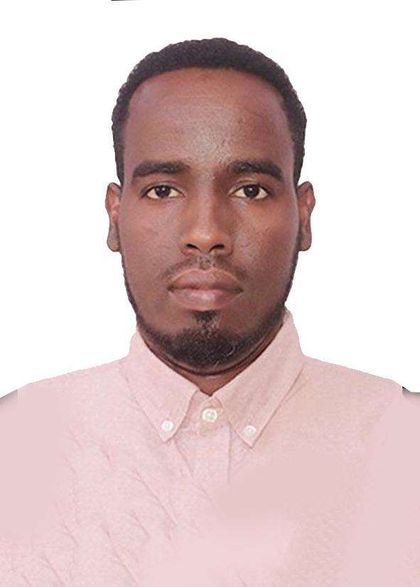
Said Abdulkadir Ahmed
Said Abdulkadir AhmedFounder & Executive Director

MAANKAAL Institute grew out of a question that many Somalis live with every day. What do we do with what we have survived? For more than a generation, our communities have carried the weight of conflict and, increasingly, drought and flooding. Too often, the people who carry that weight are spoken about, but not spoken with.

We founded MAANKAAL on a different belief. Survivors are not only those most affected by crisis. They are also among those best placed to lead healing and reconciliation. When survivors are given safe spaces to talk, to be heard, and to tell their own stories on their own terms, something changes for them and for the communities around them.

Read the full message

Our work is survivor-led and trauma-informed. We place ethical storytelling and community dialogue at the centre of what we do, because how a story is told matters as much as whether it is told. Consent must be genuine, informed, and able to be withdrawn. Dignity is not negotiable. We are also clear about our limits: we are a community-based organisation that works alongside health, protection, and social services, not in place of them.

MAANKAAL is a new and emerging institution. We do not claim to be proven. Our model is designed and led in Somalia, with a commitment to learning, evidence, and accountable growth. We would rather earn trust slowly and honestly than promise more than we can deliver.

To donors, partners, and fellow Somalis who share these values, we invite collaboration. Help us test what works, strengthen what does, and build survivor-led pathways to healing, dialogue, peace, and resilience.

04 · Vision, mission and core values

Trauma should not define a person's future.

Vision

Communities where survivors of conflict, terrorism, displacement, drought, and flooding are recognised for their strength, knowledge, and ability to help rebuild society — peaceful and resilient communities that address differences through dialogue, protect dignity, strengthen trust, and work together to recover from crisis.

Mission

To promote trauma healing, peacebuilding, and social cohesion by amplifying survivor voices and creating opportunities for women and young people to participate in community recovery and dialogue — using media, ethical storytelling, and community engagement to support reconciliation, sustainable peace, and climate resilience.

Core philosophy

Trauma caused by conflict, terrorism, displacement, drought, flooding, and other crises should not define a person's future. By placing survivors at the centre of dialogue and storytelling, MAANKAAL turns lived experience into understanding, connection, and practical action.

Core values

Dignity

Every person is treated as a whole human being with worth, agency, and the right to be heard.

Do no harm

We anticipate and avoid causing further harm through our presence, methods, or storytelling.

Local ownership

Solutions are designed, led, and owned by Somali communities and survivors themselves.

Inclusion

Women, youth, persons with disabilities, and marginalised groups are intentionally included.

Evidence & learning

We test, measure, listen, and adapt, rather than assume our model already works.

Independence & impartiality

We engage across clans and interests fairly, without partisan or factional alignment.

11 · Governance and organisation structure

Governance is how power is exercised and concerns are heard.

MAANKAAL brings together strategic direction from the Board, day-to-day leadership from the Executive Director, and practical delivery through operations, programmes, community facilitators, technical advisers, and survivor volunteers. As the Institute grows, this structure will be strengthened so decisions remain transparent, ethical, and locally informed.

GovernanceBoard of Directors / Founding MembersOversight and strategic direction
Executive DirectorSaid Abdulkadir AhmedDay-to-day leadership
Operations & AdministrationFartun Mohamud AbdirahmanFinance, administration, compliance
Human ResourcesMohamed Ali SuleimanRecruitment, staff development
Programme & PeacebuildingSagal Abdifatah AbdullahiProgramme delivery, peacebuilding and community engagement
Community Facilitators, Technical Consultants & Survivor Volunteers

Governance and accountability statement

  • Oversight and strategic direction: the Board provides oversight and sets direction; the Executive Director leads day-to-day operations.
  • Financial management and controls: financial controls, anti-fraud and anti-corruption measures, and conflict-of-interest management are being established.
  • Safeguarding and ethical conduct: safeguarding, child protection, PSEA, ethical storytelling, informed consent, and data protection are core commitments.
  • Risk management: security, safeguarding, financial, and reputational risks are to be managed through a documented risk framework.
  • Reporting and review: MAANKAAL intends to produce annual reporting and to seek external review or audit as it grows.

Partner with MAANKAAL to strengthen survivor-led pathways to healing, dialogue and peace.

Contact us